Home Services Water Damage
Water Damage Mitigation

Fast action to protect your property from further damage.

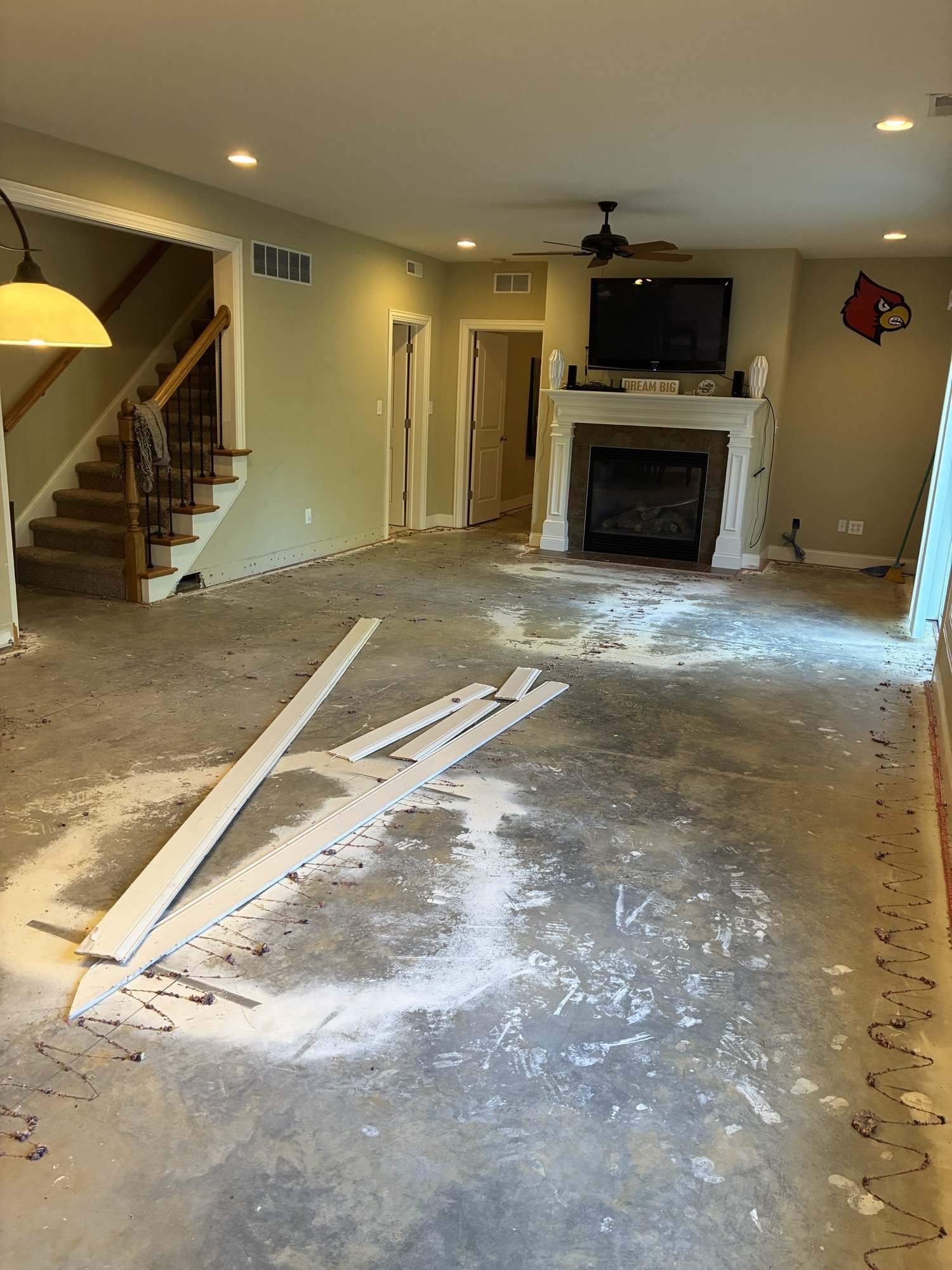
Water spreads quickly through flooring, drywall, insulation, and structural materials. We identify affected areas, remove water, dry the property, and prepare the space for restoration.

Need immediate help? — the fastest way to reach our team.Call 502-876-1891

One team, mitigation through reconstruction Residential & commercial Louisville based Insurance documentation provided

What is water damage mitigation?

Water damage mitigation focuses on limiting the immediate effects of water intrusion and preventing additional damage. It is the first stage of property recovery and may begin before permanent repairs or reconstruction.

Depending on the situation, mitigation may include:
  • Inspecting and documenting affected areas
  • Identifying the source and category of water
  • Extracting standing water and removing unsalvageable materials
  • Setting up air movers and dehumidifiers, then monitoring moisture levels
  • Cleaning and treating affected surfaces, and protecting unaffected belongings
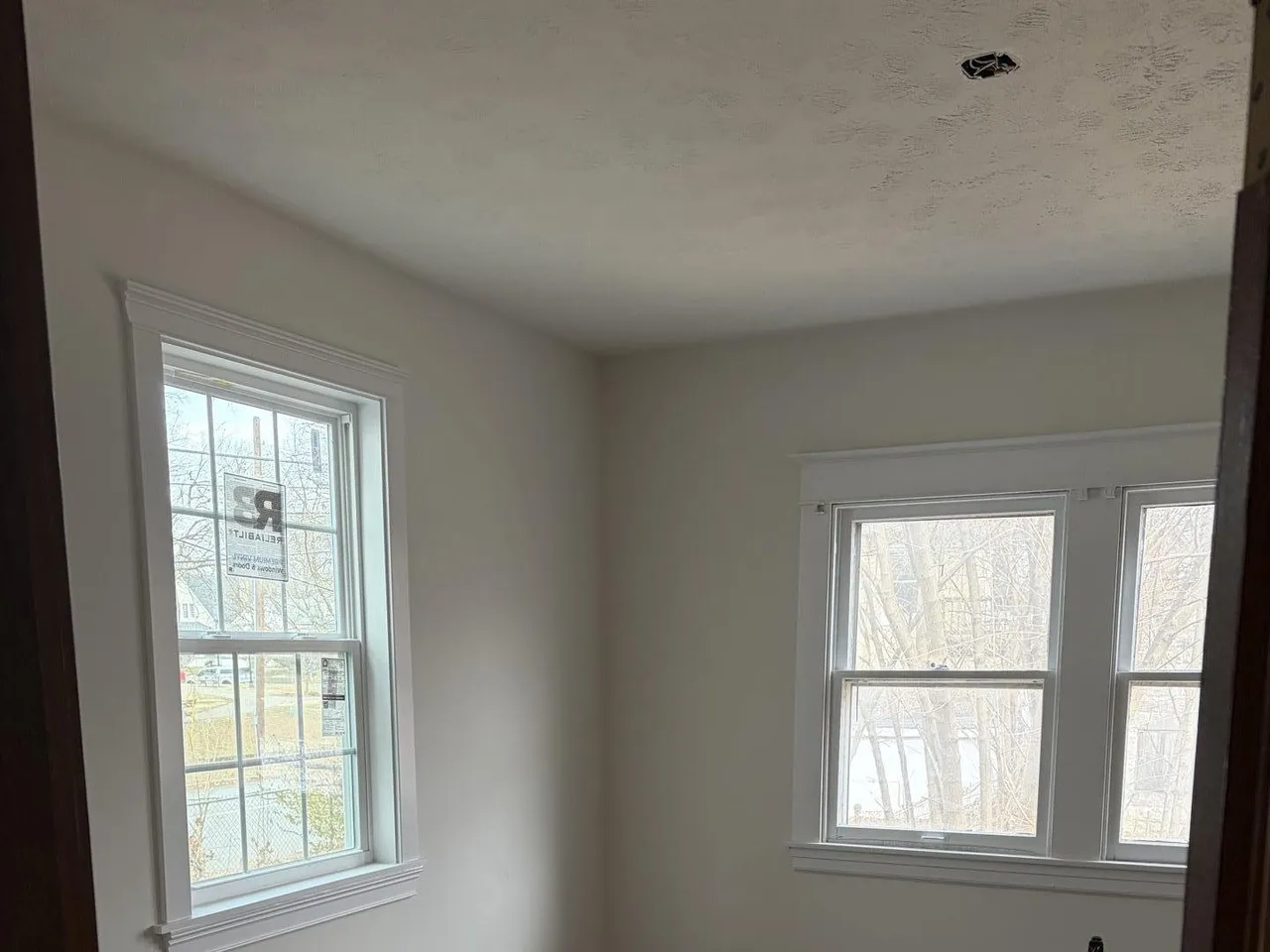
  • Preparing the property for repairs

Common causes of water damage

  • Burst or leaking pipes and plumbing overflows
  • Appliance and water heater leaks
  • Roof and window leaks
  • Basement flooding and stormwater intrusion
  • Sewage backups and firefighting efforts
  • HVAC condensation and sump pump failures

Signs of hidden water damage

Water damage is not always visible. Contact a professional if you notice:

  • Musty or damp odors, or unexplained humidity
  • Water stains, discoloration, or peeling paint
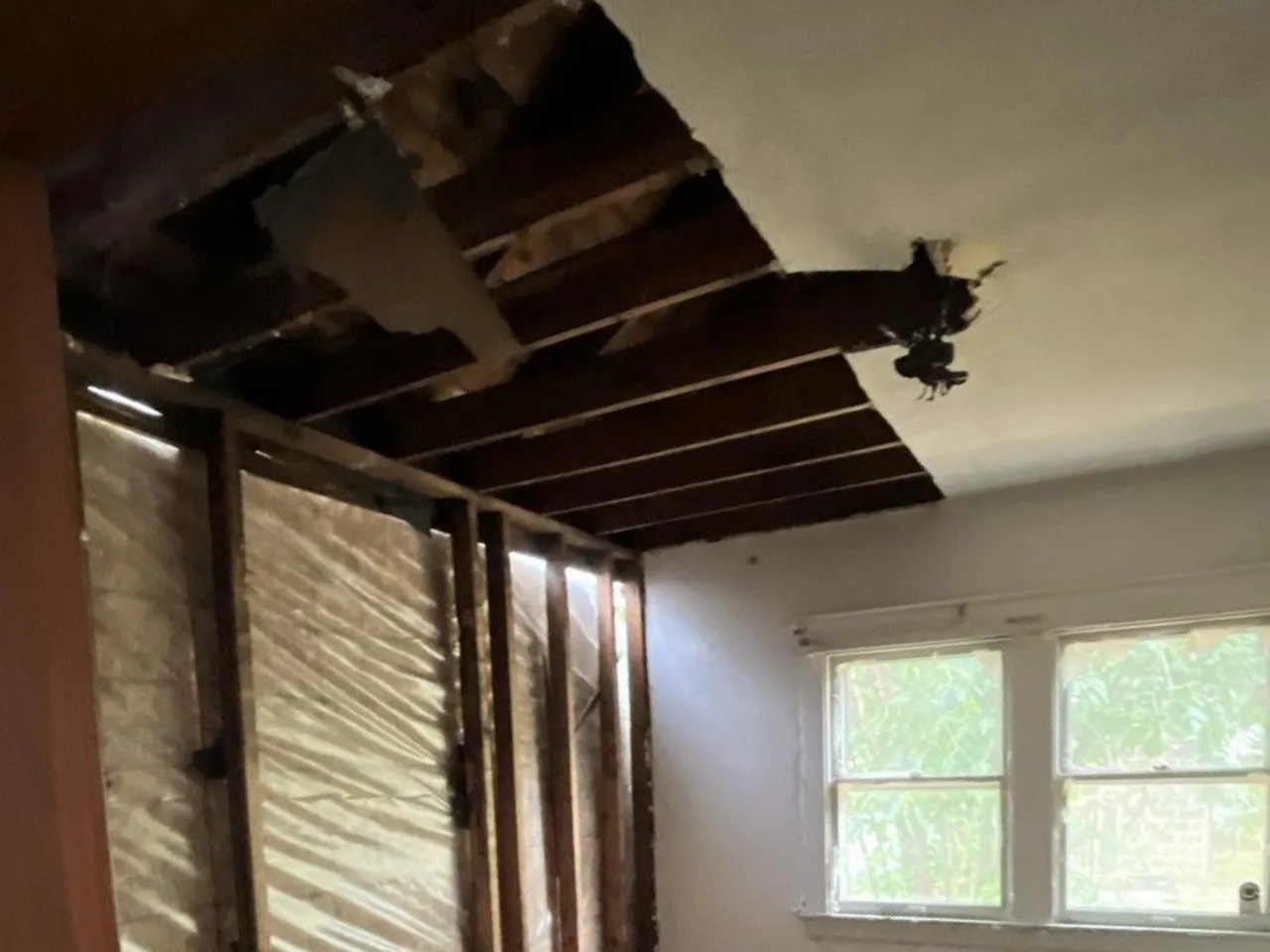
  • Soft or swollen drywall
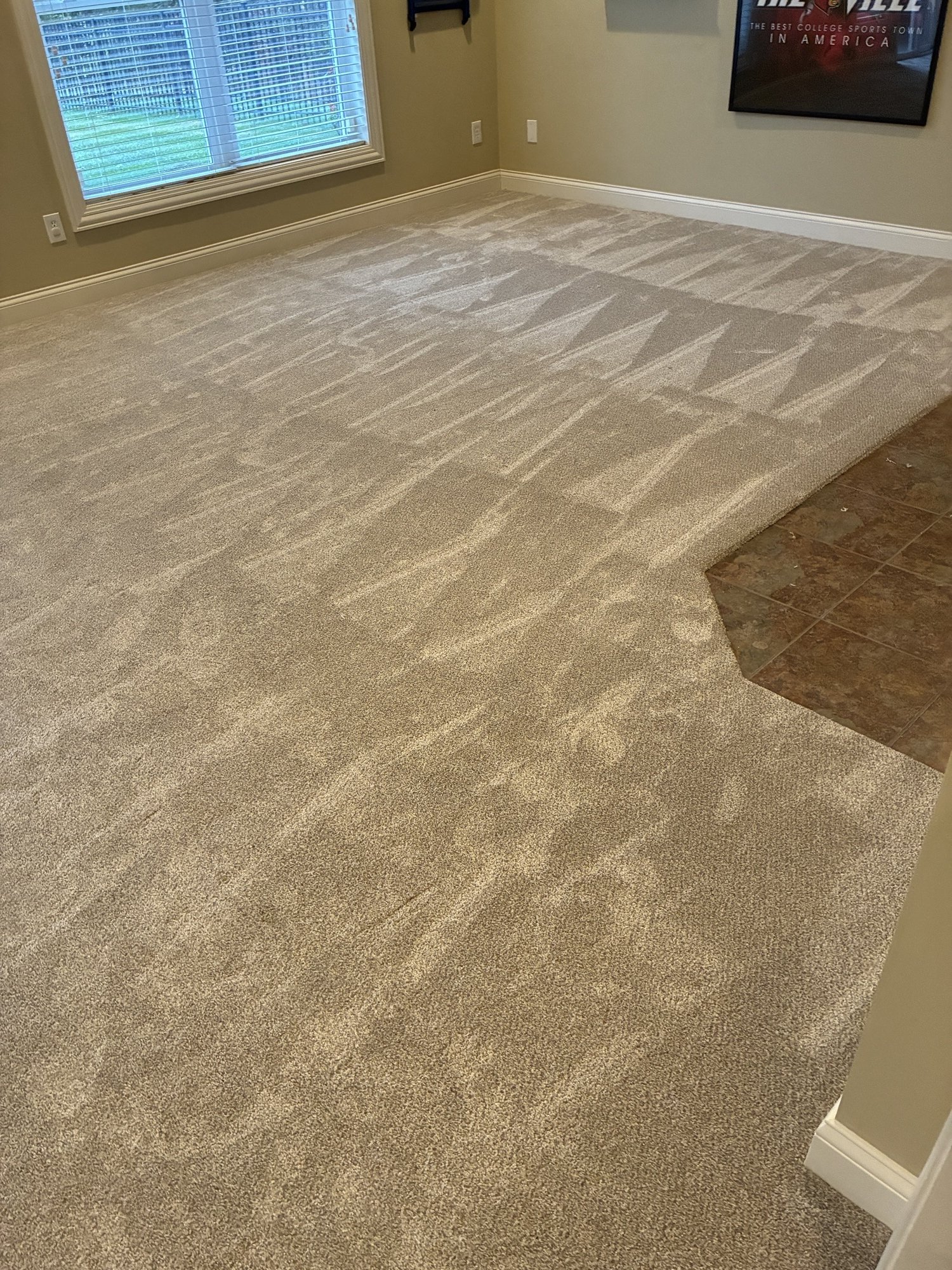
  • Warped or buckled flooring, or damp carpeting
  • Sounds of running or dripping water
  • Visible mold or an unexplained increase in water usage
Our Process

Our water damage mitigation process

1

Emergency contact

We gather information about what happened, when it began, and which areas may be affected. For urgent damage, calling is fastest.

2

Inspection & assessment

We evaluate the source, extent, and condition of affected areas — and look for moisture beyond the visible damage.

3

Documentation & plan

We document conditions and explain recommended services. When a claim is involved, this can support communication with your insurer.

4

Water extraction

Professional extraction equipment removes standing and excess water from accessible affected areas.

5

Remove unsalvageable materials

Heavily damaged or contaminated materials that cannot dry properly may be removed — explained before we proceed.

6

Structural drying

Air movers and dehumidifiers are placed to the property's needs, with moisture levels monitored over time.

7

Cleaning & treatment

Affected areas may require cleaning, deodorizing, or treatment based on the source and condition of the water.

8

Repairs & reconstruction

Once mitigation is complete, Emrick Services can assist with the repairs and reconstruction needed to restore the area.

Know the Difference

Clean water, gray water, and contaminated water

Not all water damage presents the same level of risk. The source and property conditions should be professionally evaluated before cleanup begins.

CategoryTypical sourceWhat it means
Clean water Supply line or other sanitary sourceLower initial risk, but can become more contaminated the longer it stays in contact with materials.
Gray water Appliances, plumbing fixtures, other sourcesMay contain contaminants and requires additional precautions during cleanup.
Contaminated water Sewage and floodwaterMay contain harmful microorganisms, chemicals, or debris. Avoid contact; keep people and pets away.
After You Discover Damage

What to do — and what to avoid

When it is safe, do

  • Stop the water source if you can do so without risk
  • Keep people and pets away from affected areas
  • Move unaffected belongings away from the water
  • Photograph visible damage
  • Contact Emrick Services for assistance
  • Notify your insurance provider when appropriate

Avoid

  • Using household vacuums to remove water
  • Standing water near electrical sources
  • Entering areas with sagging ceilings
  • Walking on unstable flooring
  • Contact with sewage or contaminated water
  • Assuming surfaces are dry once standing water is gone
FAQ

Water damage questions

As soon as it is safe. Water continues spreading through porous materials, and delays may increase the extent of damage.
It depends on the amount and source of water, affected materials, environmental conditions, and accessibility. Moisture readings help determine when drying goals are reached.
This depends on contamination level, electrical and structural conditions, equipment placement, and the areas affected. Our team can explain property-specific considerations after the assessment.
Some materials can be dried and restored, while others may need removal due to contamination, deterioration, or inability to dry properly.
Unresolved moisture can create conditions that support mold growth. Prompt water removal, drying, and correcting the moisture source help reduce that risk.
Mitigation focuses on limiting damage and drying the property. Repairs and reconstruction are separate stages, but Emrick Services can assist with both.

Get help with water damage

Leaking pipe, flooded basement, sewage backup, storm damage, or hidden moisture — we're ready to help you evaluate the situation and begin mitigation.

Get Help Now Call