HomeResourcesEmergency Restoration Guide
Emergency Restoration Guide

What to do after property damage.

Taking the right first steps can help protect everyone involved, prevent additional damage, and make the restoration process easier. Always follow instructions from emergency responders and local authorities.

For immediate assistance, call 502-876-1891.

First, protect yourself and others

Before inspecting or entering a damaged property, your safety is more important than protecting belongings or documenting damage.

  • Call 911 when anyone is injured or in immediate danger
  • Do not enter until emergency authorities confirm it is safe
  • Stay away from standing water near electrical sources
  • Avoid unstable ceilings, walls, floors, and roofing
  • Leave immediately if you smell gas or suspect a leak
  • Keep children and pets away from affected areas
  • Do not approach downed electrical lines
  • Wear appropriate protective equipment when instructed
Water Damage

Water Damage

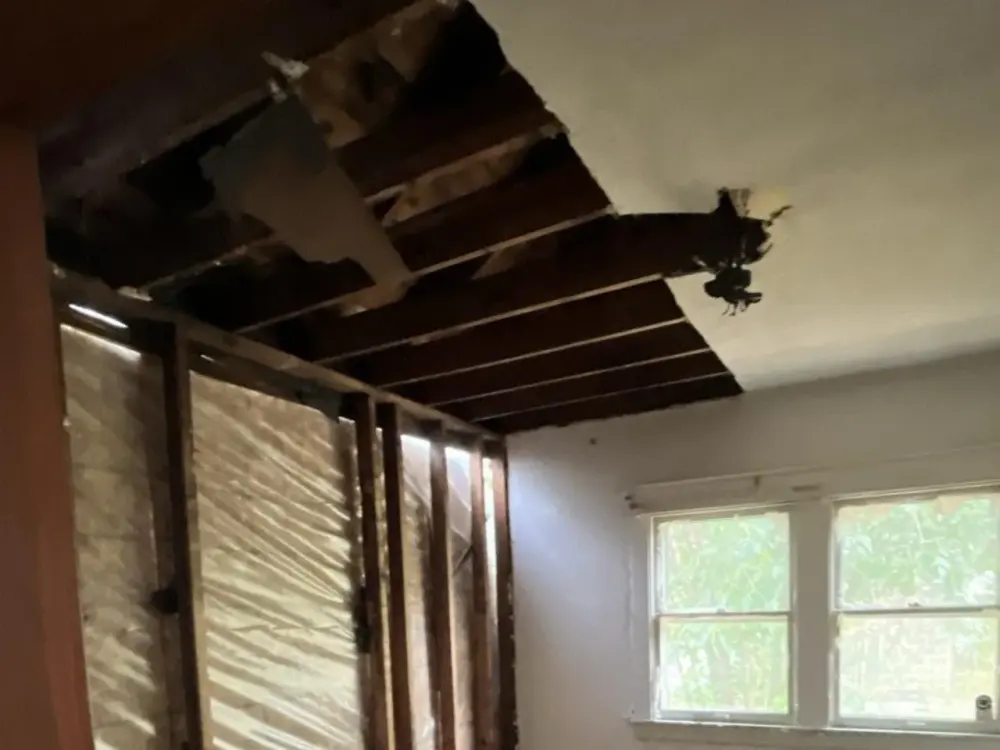
Water damage may result from burst pipes, appliance leaks, roof damage, flooding, sewage backups, or firefighting efforts.
What to do

  • Stop the water source only when it is safe and accessible
  • Avoid rooms with standing water and electrical equipment
  • Move undamaged belongings away from the affected area when safe
  • Take photographs or videos from a safe location
  • Contact Emrick Services to assess the damage and begin mitigation
  • Notify your insurance provider per your policy requirements

What to avoid

  • Use household vacuums to remove standing water
  • Enter rooms with sagging ceilings
  • Turn on lights or appliances in wet areas
  • Assume surfaces are dry because standing water is gone
  • Use fans when water may contain sewage or contaminants
  • Discard damaged belongings before documenting them
Mold

Mold

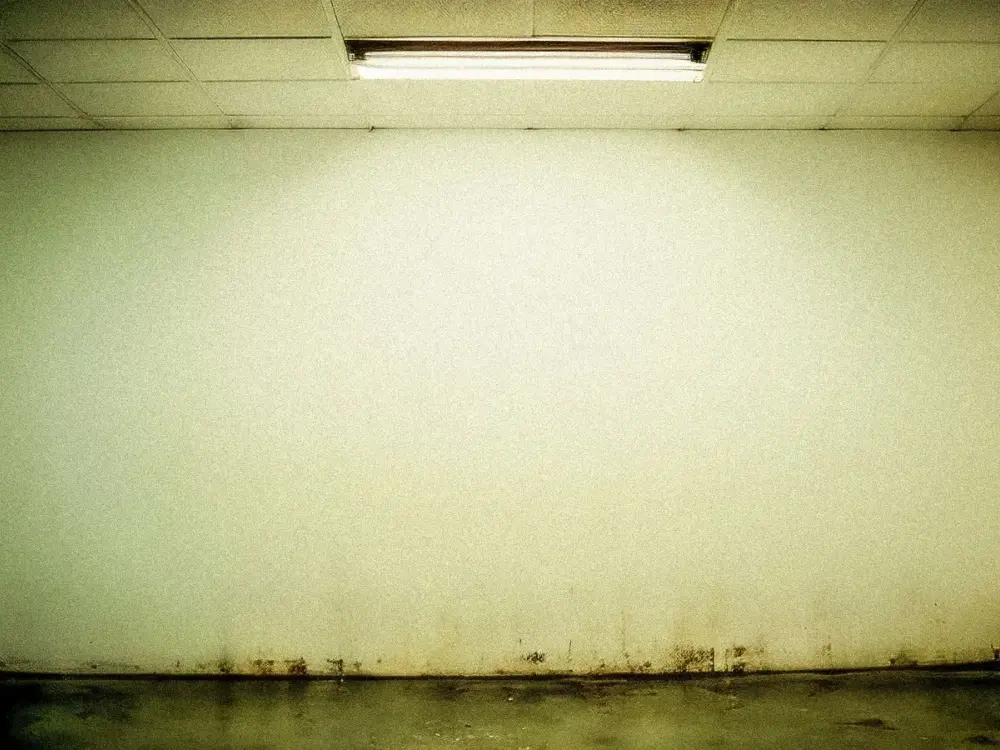
Mold may develop when water damage, leaks, excess humidity, or damp building materials are not properly addressed.
What to do

  • Identify and stop the moisture source when it is safe
  • Limit access to the affected area
  • Avoid disturbing visible growth
  • Turn off HVAC systems when you suspect they may spread contamination
  • Contact a professional when the area is extensive, hidden, recurring, or water-contaminated

What to avoid

  • Paint or caulk over visible mold
  • Mix household cleaning chemicals
  • Disturb contaminated porous materials
  • Direct fans toward visible mold
  • Rely only on removing surface discoloration
Fire and Smoke Damage

Fire and Smoke Damage

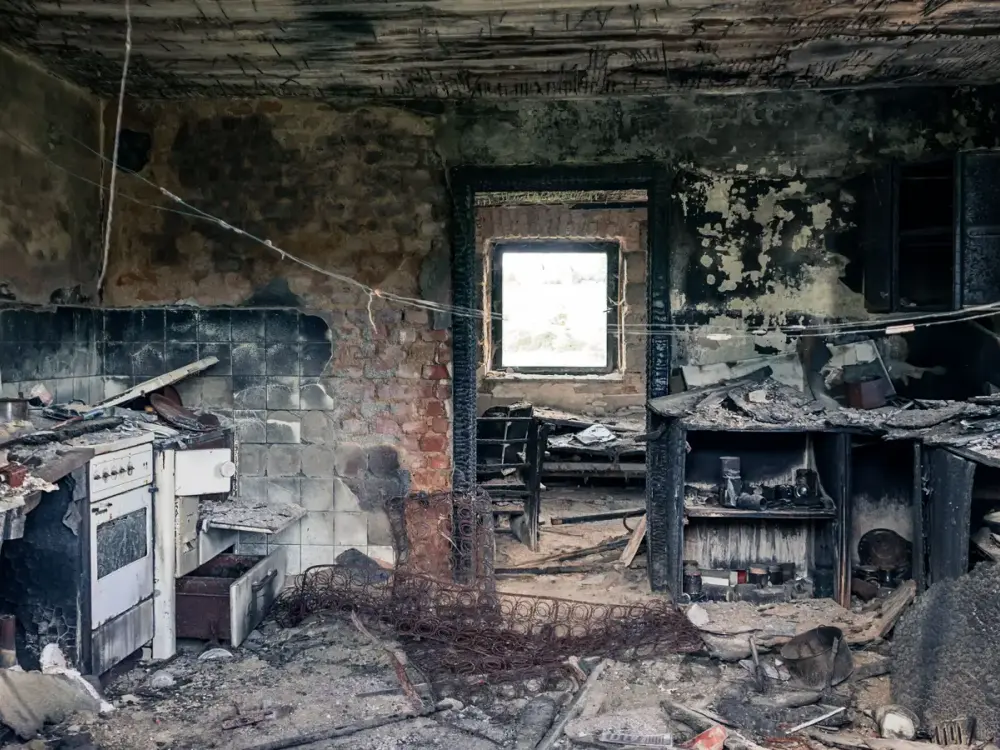
Never reenter a property damaged by fire until the fire department or the appropriate authorities have declared it safe.
What to do

  • Follow all instructions from emergency responders
  • Contact your insurance provider
  • Arrange for emergency board-up or property stabilization when needed
  • Document visible damage from a safe location
  • Contact Emrick Services to evaluate fire, smoke, soot, odor, and secondary water damage

What to avoid

  • Touch soot-covered surfaces
  • Attempt to wash walls or ceilings
  • Use damaged electrical appliances
  • Eat food exposed to heat, smoke, soot, or firefighting chemicals
  • Turn on the HVAC system until it has been evaluated
  • Enter structurally damaged areas
Sewage Backup

Sewage Backup

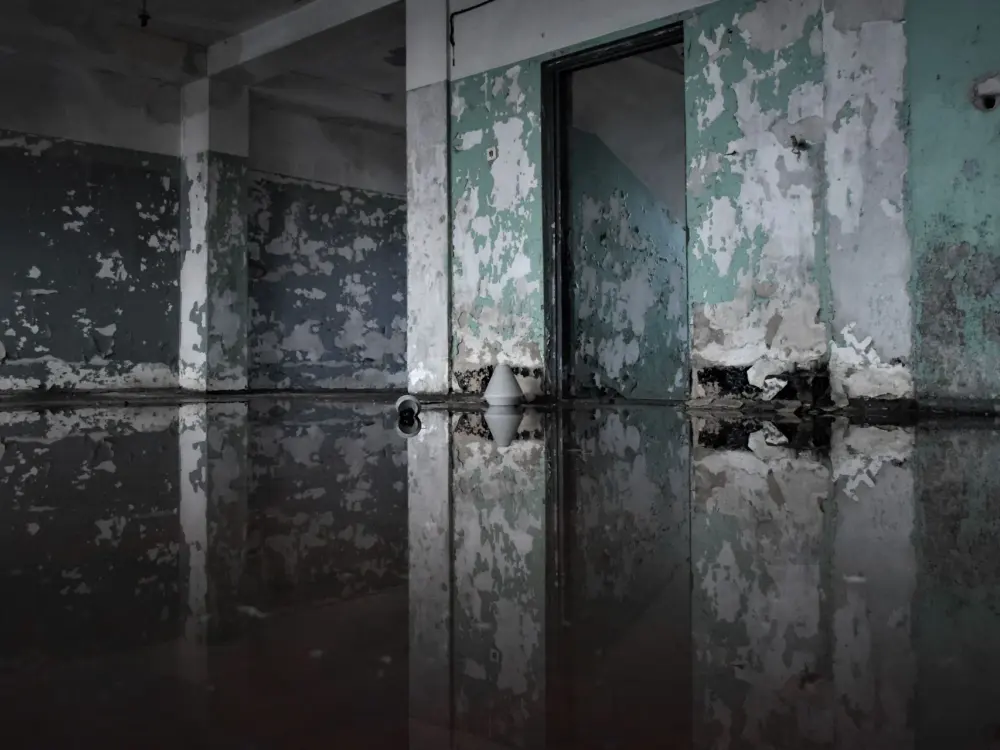
Sewage and contaminated water may contain bacteria, viruses, chemicals, and other hazardous materials.
What to do

  • Keep everyone away from affected areas
  • Avoid direct contact with contaminated water and materials
  • Stop using plumbing fixtures if they contribute to the backup
  • Contact a qualified cleanup professional
  • Inform the restoration team if anyone vulnerable lives or works at the property

What to avoid

  • Walk through sewage water without appropriate protection
  • Use ordinary household cleaning methods for extensive contamination
  • Use fans that may spread contaminated particles
  • Handle affected carpeting, drywall, or furnishings unnecessarily
Storm and Wind Damage

Storm and Wind Damage

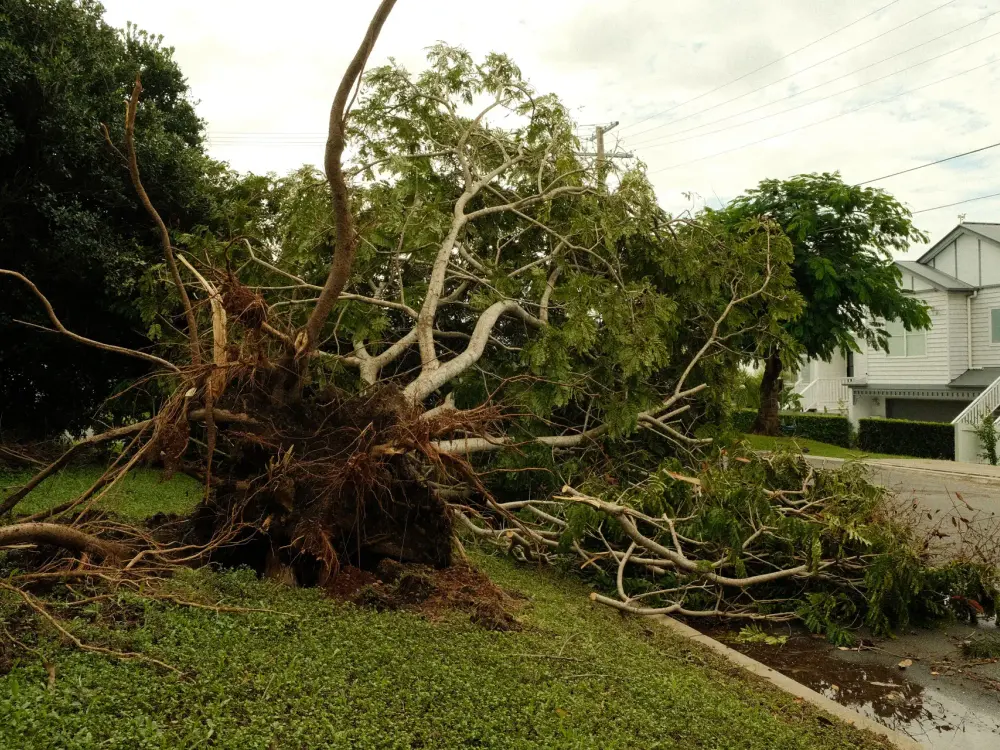
Severe weather can damage roofing, siding, windows, trees, electrical systems, and structural components.
What to do

  • Wait until the storm has passed and authorities indicate conditions are safe
  • Stay away from fallen trees, damaged roofing, and downed power lines
  • Inspect the property only from a safe location
  • Use temporary coverings only when conditions are safe
  • Photograph visible damage
  • Contact Emrick Services for board-up, water mitigation, roof repair, or restoration

What to avoid

  • Climb onto a wet or damaged roof
  • Touch fallen electrical lines or nearby objects
  • Enter areas with visible structural instability
  • Attempt major temporary repairs during dangerous weather
  • Use generators inside homes, garages, or enclosed spaces
Biohazard or Trauma Scene

Biohazard or Trauma Scene

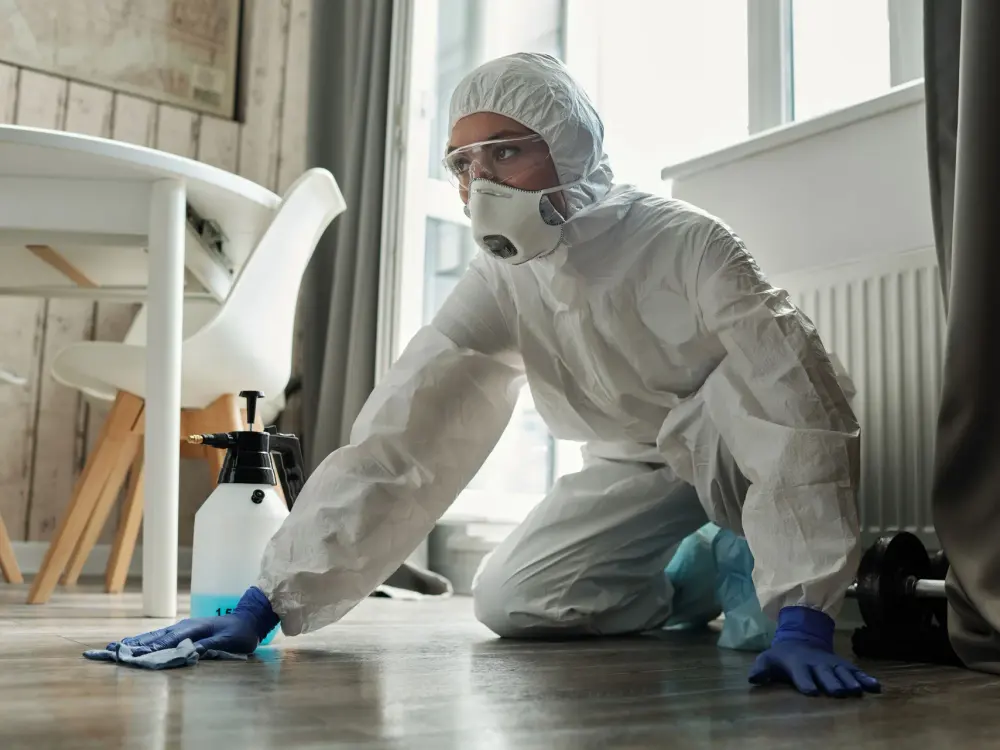
Biohazard situations require specialized procedures, protective equipment, and careful handling.
What to do

  • Keep people and pets away from the area
  • Contact emergency services when required
  • Avoid touching affected surfaces or materials
  • Contact a qualified biohazard cleanup provider
  • Preserve the area when law enforcement is involved

What to avoid

  • Attempt cleanup with household products
  • Move potentially contaminated items
  • Allow unprotected individuals into the affected area
  • Begin cleanup until authorities release the scene when applicable

Documenting property damage

When it is safe — but do not delay urgent action solely to complete documentation.

  • Take wide photographs of each affected room
  • Capture close-up images of visible damage
  • Record videos showing the overall condition
  • Create a list of damaged belongings
  • Save invoices, estimates, receipts, and correspondence
  • Note when the incident occurred and when it was discovered
  • Keep records of emergency and temporary repair expenses

Understanding the restoration process

Although every project is different, restoration may involve:

  • Emergency contact and initial assessment
  • Property inspection and damage documentation
  • Mitigation and stabilization
  • Water extraction, containment, or debris removal
  • Drying, cleaning, and odor treatment
  • Removal of damaged materials
  • Repairs and reconstruction
  • Final review

Get emergency restoration help

Emrick Services can assess the situation, explain the recommended restoration process, and help you begin your property's recovery.

This guide provides general information and does not replace instructions from emergency responders, public authorities, insurance providers, licensed tradespeople, or healthcare professionals.

Get Help Now Call