Home Services Fire & Smoke
Fire, Smoke & Secondary Damage Mitigation

Helping you take the first steps toward recovery.

Fire damage extends far beyond the flames. Smoke, soot, odors, water from firefighting efforts, and exposure to the elements can keep affecting your property. From stabilization through reconstruction, our team is ready to help.

Need immediate assistance? .Call 502-876-1891

One team, mitigation through reconstruction Residential & commercial Louisville based Insurance documentation provided

What is secondary damage?

Secondary damage develops because of the fire or its aftermath. It may not be immediately visible, but it can increase the scope of restoration when left unaddressed.

Common forms of secondary damage include:

  • Water damage from firefighting efforts
  • Smoke and soot traveling into unaffected rooms
  • Persistent smoke odors, corrosion, and staining
  • Mold caused by remaining moisture
  • Damage from broken windows or roof openings, and weather exposure
  • Structural deterioration and contamination of furnishings

Our fire and smoke mitigation services

Depending on the property's condition, our services may include:

  • Emergency property assessment
  • Board-up and temporary stabilization
  • Fire-damaged debris removal
  • Water extraction and structural drying
  • Smoke and soot cleanup, plus odor treatment
  • Contents evaluation and cleaning, repairs, and reconstruction
Our Process

Our fire damage restoration process

1

Emergency contact

Once emergency authorities have released the property, contact us. We gather information about the incident and any immediate stabilization needs.

2

Property assessment

We evaluate fire, smoke, soot, water, and structural damage, identify affected areas, and determine which immediate steps may help prevent further loss.

3

Emergency stabilization

Board-up, temporary coverings, or other stabilization measures may be recommended when the property is left exposed.

4

Water removal & drying

Water used to extinguish the fire may affect flooring, drywall, insulation, and structure. When needed, we extract water and begin structural drying.

5

Debris & damaged-material removal

Materials that cannot be safely cleaned or restored may require controlled removal — documented and explained before work proceeds.

6

Smoke, soot & odor treatment

Cleaning methods are selected based on the materials affected and the type and extent of residue. Professional odor-control methods may also be used.

7

Repairs & reconstruction

After mitigation and cleanup, we can help repair and reconstruct damaged areas to restore the property.

8

Final review

We review the completed services and provide relevant project documentation.

Smoke and soot can travel

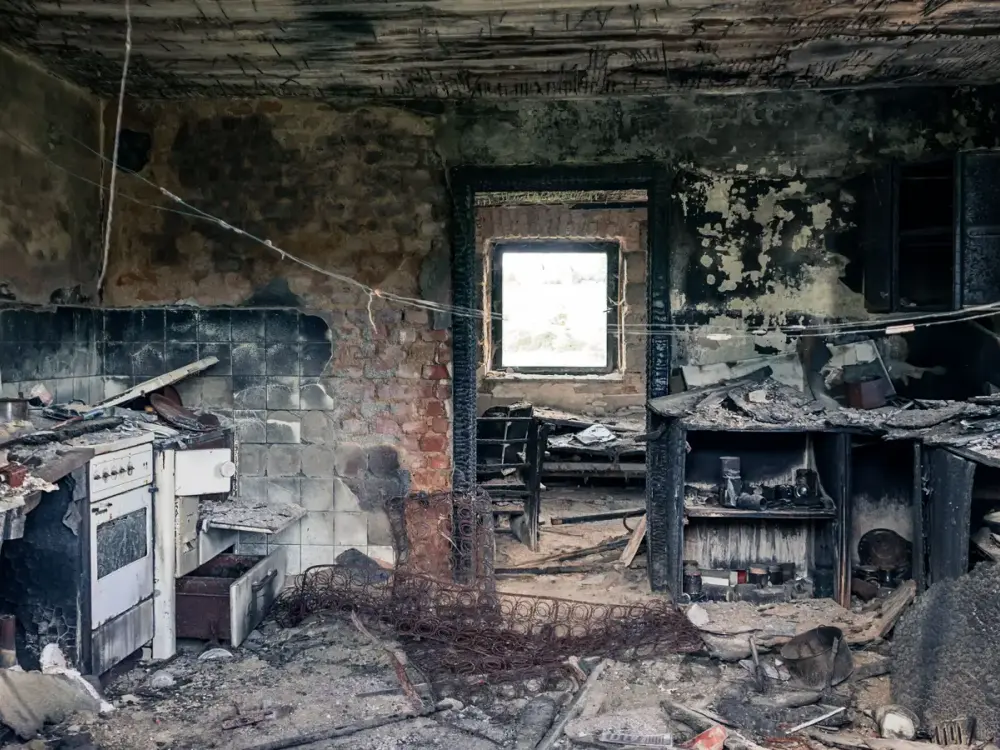
Smoke and soot may enter wall cavities, ductwork, closets, furnishings, and rooms far from the original fire. Different residues require different cleaning methods, and improper handling can spread contamination or cause permanent staining.

Possible signs of hidden smoke damage:
  • Persistent burned odors
  • Dark residue around vents or ceilings
  • Oily or powdery deposits
  • Discolored walls and materials
  • Irritation when entering certain rooms
  • Odors that return during warm or humid weather
After a Fire

What to do — and what not to do

What to do

  • Wait for emergency authorities to confirm that entry is permitted
  • Contact your insurance provider as soon as possible
  • Photograph visible damage only from safe areas
  • Keep people and pets away from affected spaces
  • Arrange emergency board-up or stabilization when needed
  • Save receipts and records related to emergency expenses

What not to do

  • Enter areas authorities have not declared safe
  • Touch soot-covered surfaces
  • Wash walls or ceilings without professional guidance
  • Use affected electrical appliances
  • Turn on the HVAC system until it has been evaluated
  • Consume food exposed to heat, smoke, soot, or firefighting materials
FAQ

Fire & smoke questions

Restoration can begin after emergency authorities have released the property and it is safe for qualified professionals to enter.
Many smoke odors can be effectively addressed with appropriate cleaning and odor-treatment methods. Results depend on the type of fire, materials affected, and extent of smoke penetration.
Some belongings may be cleaned and restored, while others may be too damaged or contaminated. Each item should be evaluated based on its materials and condition.
Water used during firefighting can remain inside building materials and concealed spaces. Extraction and structural drying help limit additional deterioration and moisture-related problems.
The timeline depends on the severity of the fire, affected areas, structural conditions, cleanup requirements, material availability, and repairs needed. Our team can provide guidance after an assessment.
Yes. We can assist with mitigation, cleanup, repairs, and reconstruction, allowing the recovery process to remain with one team.

Begin your property's recovery

After emergency authorities have declared the property safe, contact Emrick Services to discuss stabilization, mitigation, cleanup, and reconstruction.

Get Help Now Call