
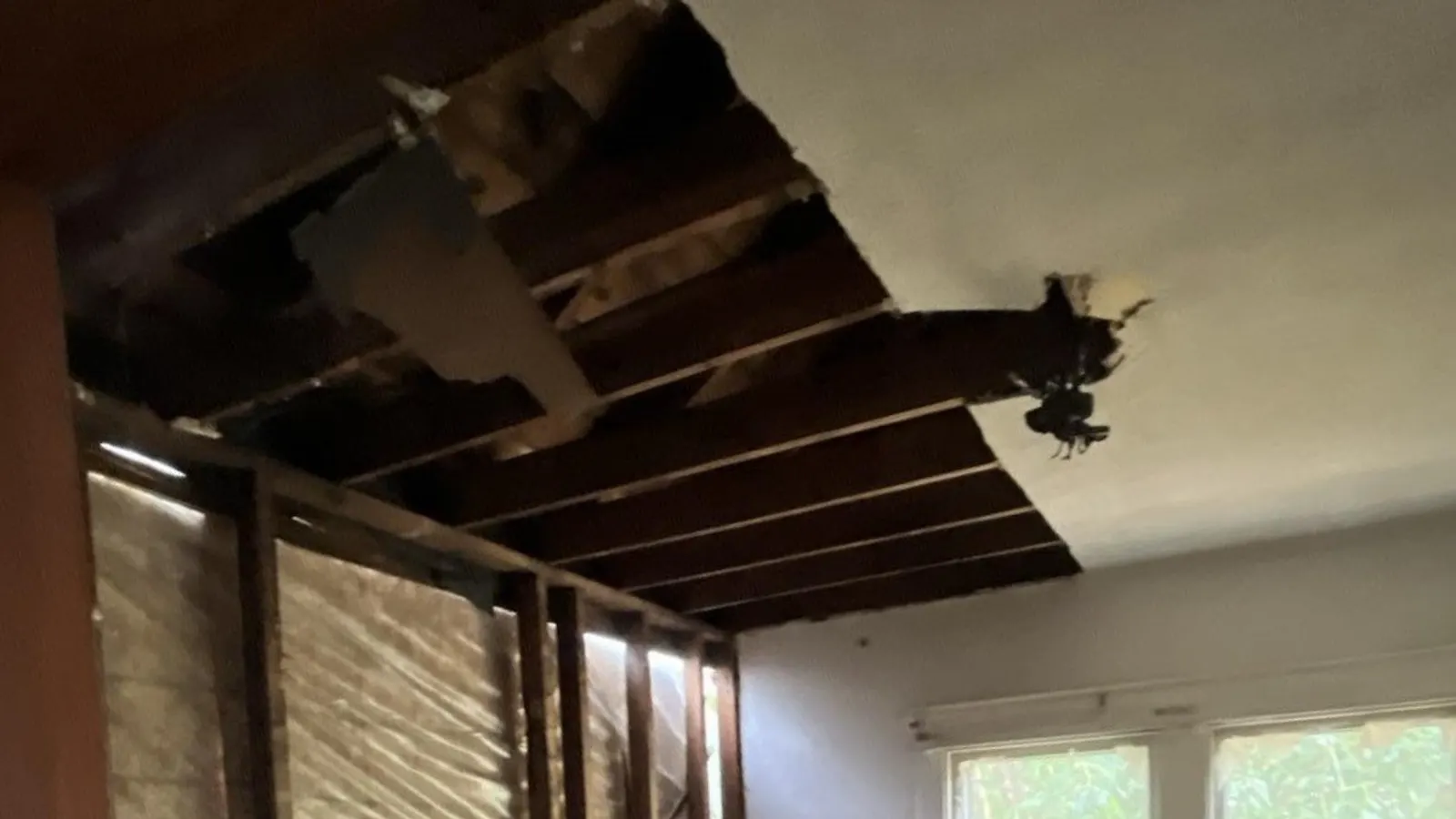
Water rarely announces itself. By the time a stain appears on the ceiling or a floor feels soft underfoot, moisture may have been spreading through building materials for days or weeks. Catching it early is the difference between a quick dry-out and a major reconstruction project.
Why hidden water damage is so common
Water travels along the path of least resistance — down studs, across subfloors, and into insulation — often far from the original leak. Porous materials like drywall and carpet pad hold moisture and slow evaporation, creating the damp, dark conditions mold needs to grow.
The warning signs
- Musty or damp odors that linger even after cleaning.
- Water stains or discoloration on walls, ceilings, or baseboards.
- Peeling or bubbling paint and wallpaper.
- Soft or swollen drywall that gives slightly when pressed.
- Warped or buckled flooring, or carpet that stays damp.
- Unexplained humidity or the sound of running water.
- Visible mold or an unexplained jump in your water bill.
What to do if you notice the signs
When it is safe, stop the water source, move belongings away from the affected area, and photograph what you see. Avoid household vacuums and stay clear of standing water near electrical sources.
Professional moisture-detection equipment can locate water behind walls and under floors that you cannot see. The sooner the source is found and the structure dried, the lower the risk of mold and structural deterioration.
Dealing with a leak or suspected hidden moisture? Call Emrick Services at 502-876-1891 or use our Get Help Now form. We serve Louisville, surrounding Kentucky communities, and select areas of Southern Indiana.